
No-Gi Warm-Up Games for BJJ and Grappling
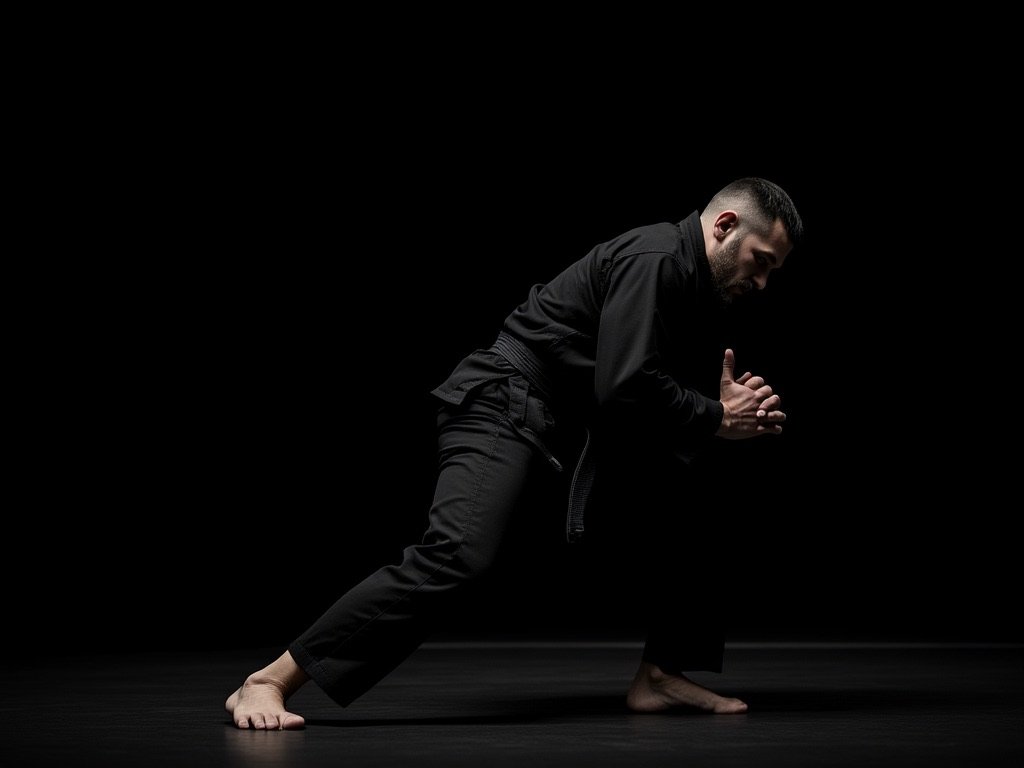
Take the gi away and the hand fight changes completely — there's no collar or sleeve to grab, so control comes from wrist ties, collar ties, underhooks, and speed. No-gi warm-ups should rehearse exactly that, not a gi warm-up with the jacket removed. These seven games target the hand fighting, scrambling, and takedown entries that actually separate no-gi grappling from the gi game.
Hand Fighting Games
1. Collar Tie Tag
Players: 2. Standing, each person fights to land a collar tie (hand behind the opponent's head/neck) while avoiding the same. First to land and hold for two seconds scores, reset and go again.
Trains: the head control that sets up takedowns, front headlocks, and guillotines — arguably the single most important no-gi grip.
Intensity: low impact, high reflex demand. Safe for any level.
2. Wrist Fighting
Players: 2. Standing or kneeling, both players fight only for wrist control — trying to control both of the opponent's wrists while denying theirs. No takedowns, pure hand fight.
Trains: the wrist control that underlies guard passing, submission defense, and initiating nearly every no-gi exchange.
Intensity: low. A great opener before anything more athletic.
3. Underhook Battle
Players: 2. Standing, chest to chest, both players fight to lock in a deep underhook on one or both sides while denying the same. Score a point for a controlled underhook held for a three-count.
Trains: the body position that sets up back takes, trips, and top control in scrambles — no-gi's version of the collar grip.
Intensity: moderate. A good bridge between pure hand fighting and full scrambling.
Scramble & Movement Games
4. Scramble Tag
Players: 2. Start in a neutral scramble position — both players on hands and knees, hips close. On go, scramble for any dominant position (back, mount, or top control) for 20-30 seconds, reset, repeat.
Trains: the pure speed and spatial awareness that decides most no-gi transitions, without the gi's friction slowing anything down.
Intensity: high but short — cap rounds at 30 seconds so it stays sharp instead of turning into a grind.
5. Sprawl and Scramble
Players: 2. One partner shoots a level change; the other sprawls and the two scramble for 15-20 seconds before resetting. Alternate who initiates.
Trains: the takedown-defense-to-scramble sequence that's far more common in no-gi than in the gi, where takedowns are slower to set up.
Intensity: high. Great as a warm-up finisher right before live rolling starts.
Takedown Entry Games
6. Level Change Relay
Players: Any number. Shadow a level change — drop hips, penetration step, drive — down the length of the mat, alternating which leg leads each rep.
Trains: the entry mechanics for single and double legs, rehearsed enough times that the movement is automatic before live pressure gets added.
Intensity: low to moderate, solo-friendly if no partner is available.
7. Takedown Entry Randomizer
Players: 2. Draw a Situation card from a Roll & Flow deck for a random ground position, but start the round standing and work to get there through a takedown or trip instead of setting up on the mat. Forces a takedown entry into every round instead of skipping straight to the ground game.
Trains: connecting standing and ground grappling — a gap a lot of BJJ-focused no-gi players never train deliberately.
Intensity: moderate to high, depending on how live the takedown attempt is.
Putting It Together
- Open with hand fighting (collar tie tag, wrist fighting) to get grips and reflexes warm without much cardio cost.
- Add one scramble game once bodies are warm — this is where heart rate should actually climb.
- Finish with a takedown entry drill right before live rolling, so the standing-to-ground connection is fresh.
These pair well with the movement drills in our general BJJ warm-up games guide — swap in the no-gi partner games above and keep the same hip escape and stand-up work, since that part doesn't change with or without the jacket.
FAQ: No-Gi Warm-Ups
Are gi warm-up games different from no-gi warm-up games?
The movement drills (hip escapes, stand-ups, bear crawls) are identical. The partner games differ mainly in grip: no-gi games use wrist ties, collar ties, and underhooks instead of collar and sleeve grips, and tend to emphasize scrambles and takedown entries more heavily since there's no gi to slow a scramble down.
What should a no-gi warm-up focus on?
Hand fighting without a collar to grab (wrist and collar ties), scramble speed, and takedown entries — these are the skills that separate no-gi from gi grappling and benefit most from dedicated warm-up reps.
Is no-gi warm-up more physically demanding than gi warm-up?
Generally yes — without gi grips to control pace, no-gi partner games tend to move faster and involve more scrambling, so they raise heart rate quicker. Keep rounds shorter (30-45 seconds) to match the higher intensity.
Related reading: BJJ Warm-Up Games That Aren't a Waste of Time · Randori vs. Positional Sparring · How to Structure a BJJ Class · Best Games for BJJ Kids Classes · How to Stop Drilling the Same 3 Moves