
How to Structure a BJJ Class: Warm-Up, Drilling, Rolling
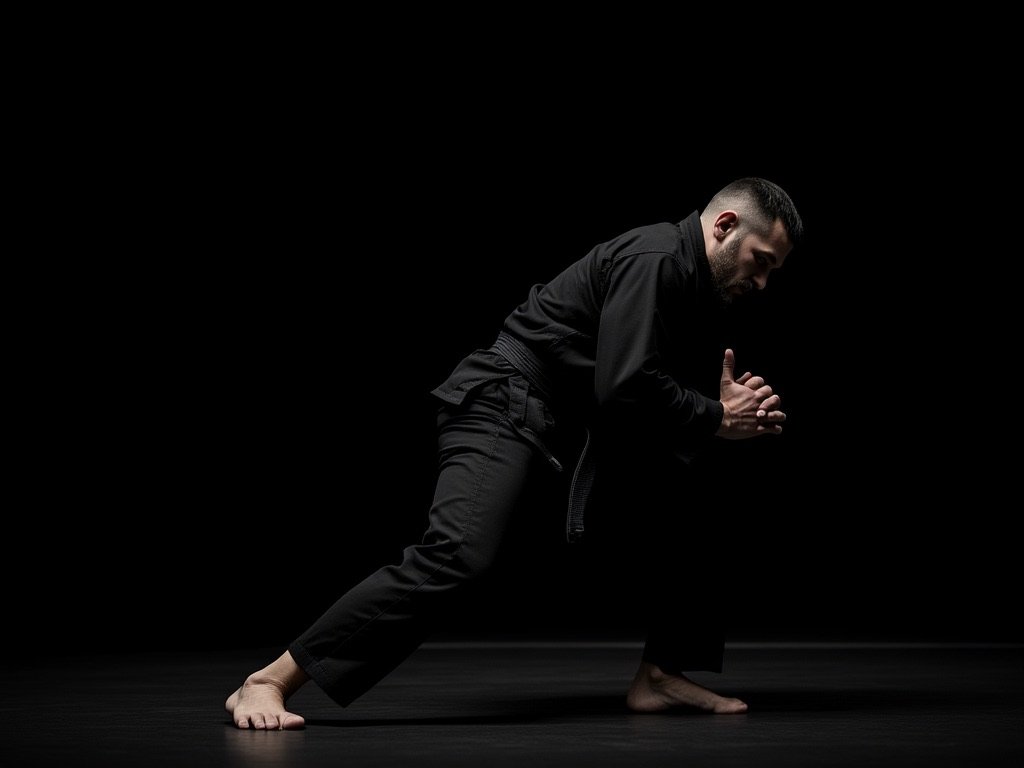
New coaches almost always make the same mistake: cramming in too much technique and leaving live rolling as an afterthought squeezed into the last five minutes. Students don't remember a class by how many techniques got covered — they remember how much they actually got to move. A good class structure protects time for warm-up, teaching, drilling, and rolling in roughly the same proportions every session, so students always know what to expect and coaches never run out of time mid-technique.
Below is a structure that works for a standard 60-90 minute class, with the reasoning behind each block so you can adjust it to your own gym instead of following it blindly.
The Four Blocks
1. Warm-Up (10-15 minutes)
Grappling-specific movement first — hip escapes, technical stand-ups, bear crawls — then a partner game that raises heart rate without full-intensity rolling. This is the block coaches cut first when running late, which is a mistake: a rushed warm-up means the first live rounds double as everyone's actual warm-up, at higher risk of injury. (Full breakdown: BJJ warm-up games that aren't a waste of time.)
2. Technique (15-20 minutes)
One technique, taught in two layers: the simple version everyone can do today, and one detail or variation for students ready for it. Trying to teach three techniques in twenty minutes means nobody retains any of them. If you're running a curriculum, this is where it lives — revisit core techniques across several classes instead of introducing something brand new every session.
3. Drilling (10-15 minutes)
Repetition of the technique just taught, ideally with some resistance added in the last few minutes (20-50% intensity) so it's not purely choreographed. Pair higher and lower belts together here deliberately — the lower belt gets more reps defending live pressure, and the higher belt gets to focus on precision instead of just winning.
4. Live Rolling (20-30 minutes)
4-6 rounds of 4-6 minutes is the standard target. This is the block students actually show up for, and it's also where a class can quietly become unproductive — the same partners rolling the same way every night. Mixing in positional rounds or a game once or twice a week keeps rolling purposeful instead of just repetitive. (See: how to run positional sparring and open mat games for structured formats that fit here.)
Fitting This Into 60 vs. 90 Minutes
A 60-minute class is tight: 10 minutes warm-up, 15 technique, 10 drilling, 25 rolling — technique time is the first thing to compress, not rolling. A 90-minute class has room to either add a second technique variation, extend drilling with more resistance, or push live rolling to a full 30-35 minutes. Whatever the total time, keep the ratio of teaching-to-moving roughly even; classes that are 80% lecture and 20% mat time lose students faster than classes that are light on technique but heavy on reps.
Keeping the Structure From Getting Stale
- Rotate which live-rolling format you run. Straight rolling every class gets monotonous — swap in positional sparring or a game most sessions.
- Randomize warm-up occasionally. The same three warm-up drills every class is efficient but forgettable; a randomized draw keeps people paying attention. A Roll & Flow deck works for this — draw a Situation card for a movement-only warm-up round instead of picking the position yourself.
- Protect rolling time even on busy nights. If you're running late, cut technique depth before you cut mat time — students forgive a shorter lecture far more than a shorter roll.
None of this needs to be rigid. The proportions matter more than the exact minutes — warm up with purpose, teach one thing well, drill it with resistance, and protect enough time to actually roll.
FAQ: Structuring a BJJ Class
How long should a BJJ class be?
60-90 minutes is standard. A 60-minute class fits a tight structure of warm-up, one technique, drilling, and a short roll. A 90-minute class has room for two techniques or more live rolling time without rushing any section.
How much of a BJJ class should be live rolling?
20-30 minutes of a 60-90 minute class is typical, usually 4-6 rounds of 4-6 minutes. New gyms sometimes cut this to make room for more technique; established gyms with strong fundamentals often extend it, especially in classes with more experienced students.
Should every class teach a new technique?
No. Revisiting a technique across 2-3 classes with small variations builds retention far better than a new technique every single day. Curriculum-based gyms often run the same core techniques in a rotating cycle for exactly this reason.
How do you keep beginners and advanced students engaged in the same class?
Teach one technique with a simple version and a detail-heavy variation, let pairs work at their own pace during drilling, and use handicap or constraint games during live rolling so skill gaps don't turn into one-sided rolls.
Related reading: BJJ Warm-Up Games That Aren't a Waste of Time · How to Run Positional Sparring · 15 Open Mat Games for BJJ · Solo BJJ Drills Without a Partner · Randori vs. Positional Sparring · No-Gi Warm-Up Games · Best Games for BJJ Kids Classes · How to Stop Drilling the Same 3 Moves