
Randori vs. Positional Sparring: What's the Difference?
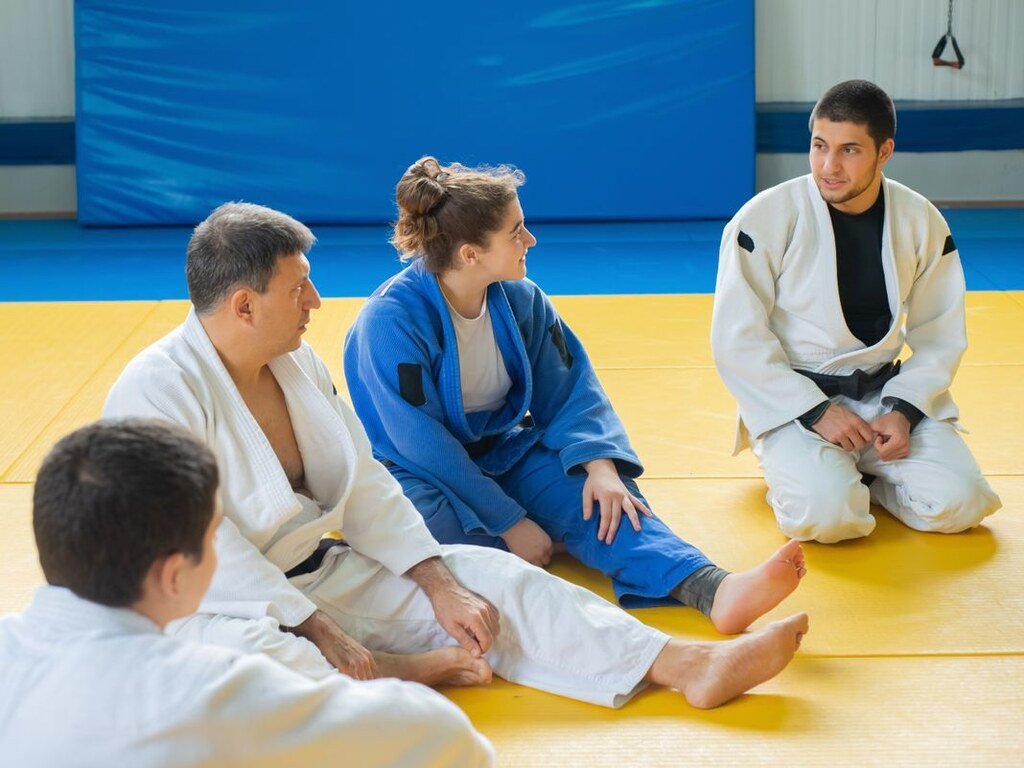
Randori and positional sparring both put you in live, resisting grappling — the difference is what each one is actually testing. Randori (free rolling) starts neutral and goes wherever the match takes it, which is realistic but unfocused: you might spend six minutes never touching the one position you actually need reps in. Positional sparring throws that realism away on purpose, resetting to the same spot over and over so you get concentrated reps in exactly the position you're weak at.
Neither one is the "real" training and the other a lesser substitute. They're tools for different jobs.
Randori (Free Rolling)
Both partners start standing or neutral, and the round plays out with no restrictions — takedowns, guard passing, submissions, scrambles, all live. This is the closest thing to actual competition you can train, which is exactly its value: it tests whether you can chain everything together under real pressure, with no idea what's coming next.
The tradeoff is dilution. In a 6-minute randori round, you might spend 90 seconds standing, 2 minutes in guard, a minute scrambling, and 30 seconds in a submission attempt — none of it long enough to actually fix anything. Randori builds the ability to use skills together, but it's a slow way to build any single skill from scratch.
Positional Sparring
Both partners start in a fixed position — half guard, back control, turtle, knee-on-belly — and the round resets to that same position every time it resolves (a pass, sweep, escape, or submission). Instead of one shot at a position every few minutes, you get a dozen reps in ten minutes.
This concentration is what makes positional sparring the fastest way to fix a specific weak spot. If your back defense is bad, six minutes of randori might give you one real back-control rep. Six minutes of positional sparring from back control gives you ten or more. (Full breakdown, formats, and starting positions: how to run positional sparring.)
Which One Should You Train?
Both, on a rotation rather than either/or:
- Diagnose with randori. Free rolling shows you where you actually get stuck — which position keeps recurring as a problem.
- Fix it with positional sparring. Once you know the weak spot, drill it specifically with 2-3 positional sessions a week until it's no longer a liability.
- Retest with randori. Go back to free rolling to see if the position holds up in a full, unpredictable match — that's the only way to know the fix actually transferred.
A gym that only ever runs randori will have students who plateau in specific positions with no structured way to fix them. A gym that only ever runs positional sparring will have students who are sharp in isolated positions but freeze the moment a match doesn't go where they expected. Rotating between the two, informed by cards or a coach calling out a random position, keeps both the diagnosis and the fix honest instead of everyone defaulting to their comfort zone. A Roll & Flow deck works for exactly this — draw a Situation card to set up either format without anyone picking their favorite spot.
FAQ: Randori and Positional Sparring
What is randori in BJJ?
Randori is free rolling — live grappling with no fixed starting position or restrictions, closest to real competition. Both partners start standing or in a neutral position and the match goes wherever it goes.
What is positional sparring in BJJ?
Positional sparring starts both partners in a specific position — half guard, back control, turtle — and resets there every time the position resolves. It isolates one part of the grappling sequence for repeated, targeted reps instead of playing out a full match.
Is positional sparring better than free rolling?
Neither is better — they build different things. Positional sparring builds depth in a specific position fast; free rolling (randori) builds the ability to chain positions together and handle whatever a match actually throws at you. Most training plans need both.
How much positional sparring should you do per week?
2-3 sessions a week targeting a weak position is enough to see real improvement without crowding out free rolling entirely. Many gyms run positional sparring as part of class and save open mat for randori.
Related reading: How to Run Positional Sparring · 15 Open Mat Games for BJJ · How to Structure a BJJ Class · No-Gi Warm-Up Games · Best Games for BJJ Kids Classes · How to Stop Drilling the Same 3 Moves